

Inventory Automation Helps Businesses Improve Operational Efficiency
18 Nov, 2026
Inventory Automation helps businesses maintain accurate stock records, monitor product...
Updated: 18th November, 2026
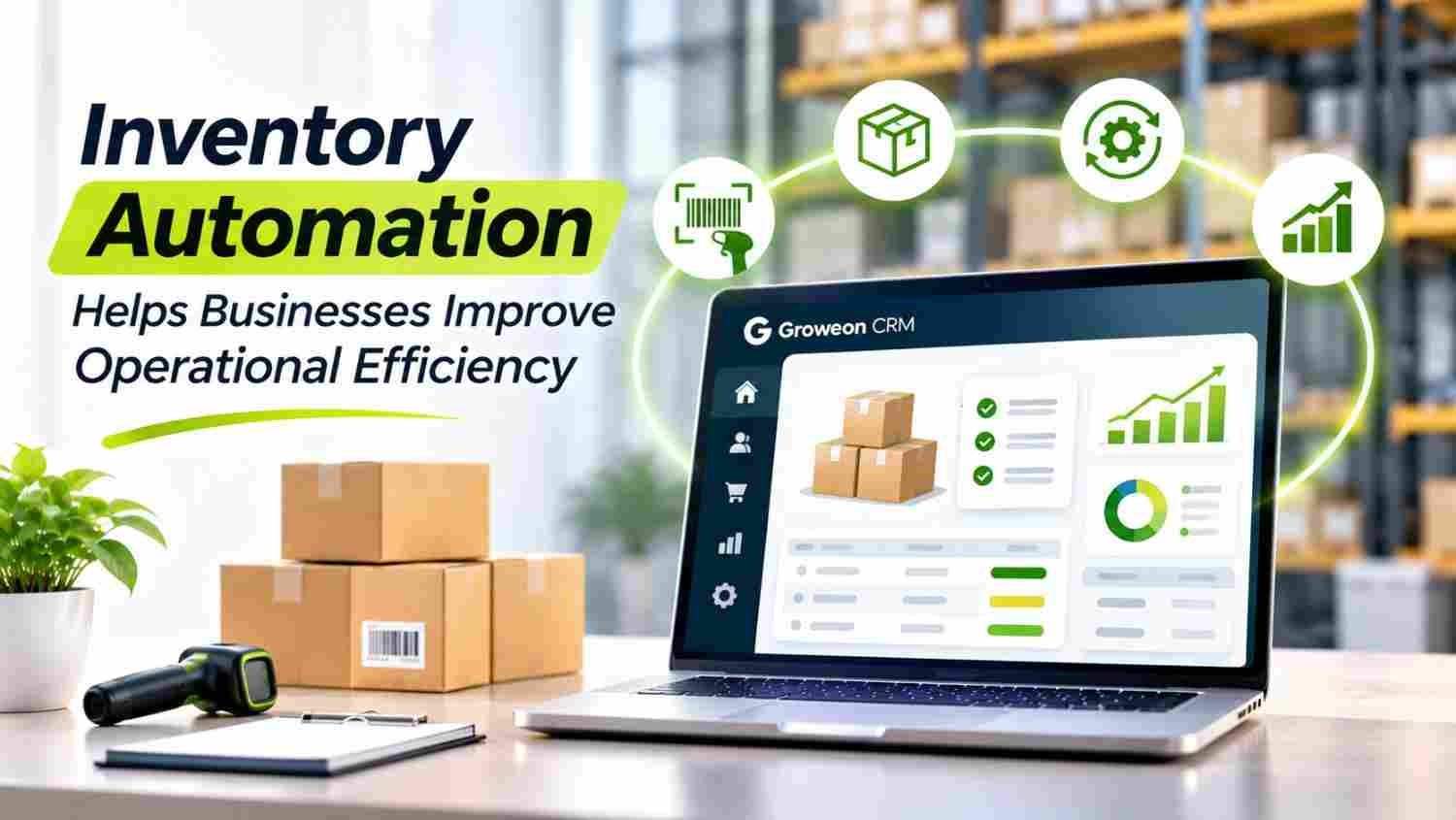
Inventory Automation helps businesses maintain accurate stock records, monitor product movement and reduce repetitive inventory-related tasks.
Manual stock updates often create errors, delays and unnecessary operational costs.
Automated inventory workflows connect purchasing, stock-in, stock-out and sales activities.
Businesses can use these processes to improve stock visibility and make better operational decisions.
Managing inventory becomes challenging when businesses handle multiple products, suppliers and warehouse locations. Employees often need to update spreadsheets, verify stock quantities and coordinate purchases manually.
These activities increase the possibility of errors and make it difficult to maintain accurate stock information.
According to IBM’s inventory management guide, effective inventory management requires businesses to maintain the right products in the right locations at the right time. Similarly, Oracle’s inventory management overview highlights the importance of stock visibility for purchasing, production and fulfilment decisions.
A structured Inventory Management System helps businesses bring these activities into one organised environment.
Manual stock adjustments after every purchase or sale can consume considerable time. Inventory Automation helps update quantities through configured transactions.
For example, Groweon’s inventory automation solution supports automatic stock-out against sales orders and automatic stock-in against purchases.
This reduces repetitive entries and helps maintain more accurate inventory records.
Businesses operating across multiple locations need reliable information about product availability.
A connected Warehouse Management workflow helps teams monitor stock movement and location-wise availability.
Oracle’s inventory dashboard documentation also explains how visibility into supply and demand can help identify potential stockouts and excess inventory.
Incorrect stock records can affect purchasing, sales commitments and customer fulfilment.
Automated stock-in and stock-out workflows reduce dependence on repeated manual updates. Businesses can also use barcode-based inventory tracking to improve product identification and recording accuracy.
Groweon’s Stock-Out Management supports stock movement tracking, damage stock handling and warehouse transfers.
Purchasing too much inventory ties up business funds, while insufficient stock can delay customer orders.
Inventory reports and reorder alerts help purchasing teams identify products that require attention.
Businesses can explore inventory optimisation practices and supply chain planning to understand how stock levels, demand and replenishment decisions are connected.
Groweon’s inventory reporting and analytics helps businesses review stock availability, movement and product performance.
Manufacturing businesses must maintain visibility into raw materials and finished goods. When materials are consumed during production, stock records need to reflect those changes.
Groweon’s BOM-based stock automation supports automatic stock-out against configured Bills of Materials.
Connecting inventory with Order Management Software also helps businesses coordinate product availability and order processing.
For additional insight, IBM’s inventory management documentation discusses inventory accuracy, stock allocation and fulfilment.
Inventory does not operate independently. Purchasing, sales, production and warehouse activities all influence stock availability.
A connected CRM software platform helps businesses coordinate customer and operational information. Similarly, Groweon’s Sales CRM supports sales activities that depend on accurate product and order information.
Businesses can also explore product and item management, purchase stock-in management and warehouse stock-out processes.
For broader operational guidance, SAP’s inventory management resources explain the relationship between stock control and business performance. IBM’s AI inventory management guide explores how automation and analytics can support inventory decisions.
Groweon provides an Inventory Management System designed to connect product management, warehouse operations, stock movements, purchasing and reporting.
Its capabilities include automatic stock-in against purchases, automatic stock-out against sales orders, BOM-based stock deductions, low-stock alerts, damage inventory visibility and inventory reports.
Businesses can explore Groweon’s inventory automation features, review its inventory dashboard, and understand how connected business workflows can support daily operations.
Inventory Automation helps businesses move away from disconnected spreadsheets and repetitive stock updates towards more organised operations.
By connecting purchasing, warehouse activities, stock movements and order processing, businesses can improve inventory visibility and reduce avoidable manual work.
A structured Inventory Management Software solution can help growing businesses maintain better stock control while supporting more informed operational decisions.

18 Nov, 2026
Inventory Automation helps businesses maintain accurate stock records, monitor product...

18 Nov, 2026
Service Ticket Management Software helps businesses organise customer requests, assign...

18 Nov, 2026
Order processing involves more than recording a customer’s purchase. It...

18 Nov, 2026
Small businesses often manage customer relationships while handling sales calls,...

17 Nov, 2026
Summary AION Autopilot brings agentic AI into everyday sales operations,...