

AI CRM ROI: What Indian SMBs Should Actually Expect in…
25 Sep, 2026
Summary (TL;DR): An AI CRM pays back $8.71 for every...
Updated: 24th December, 2025
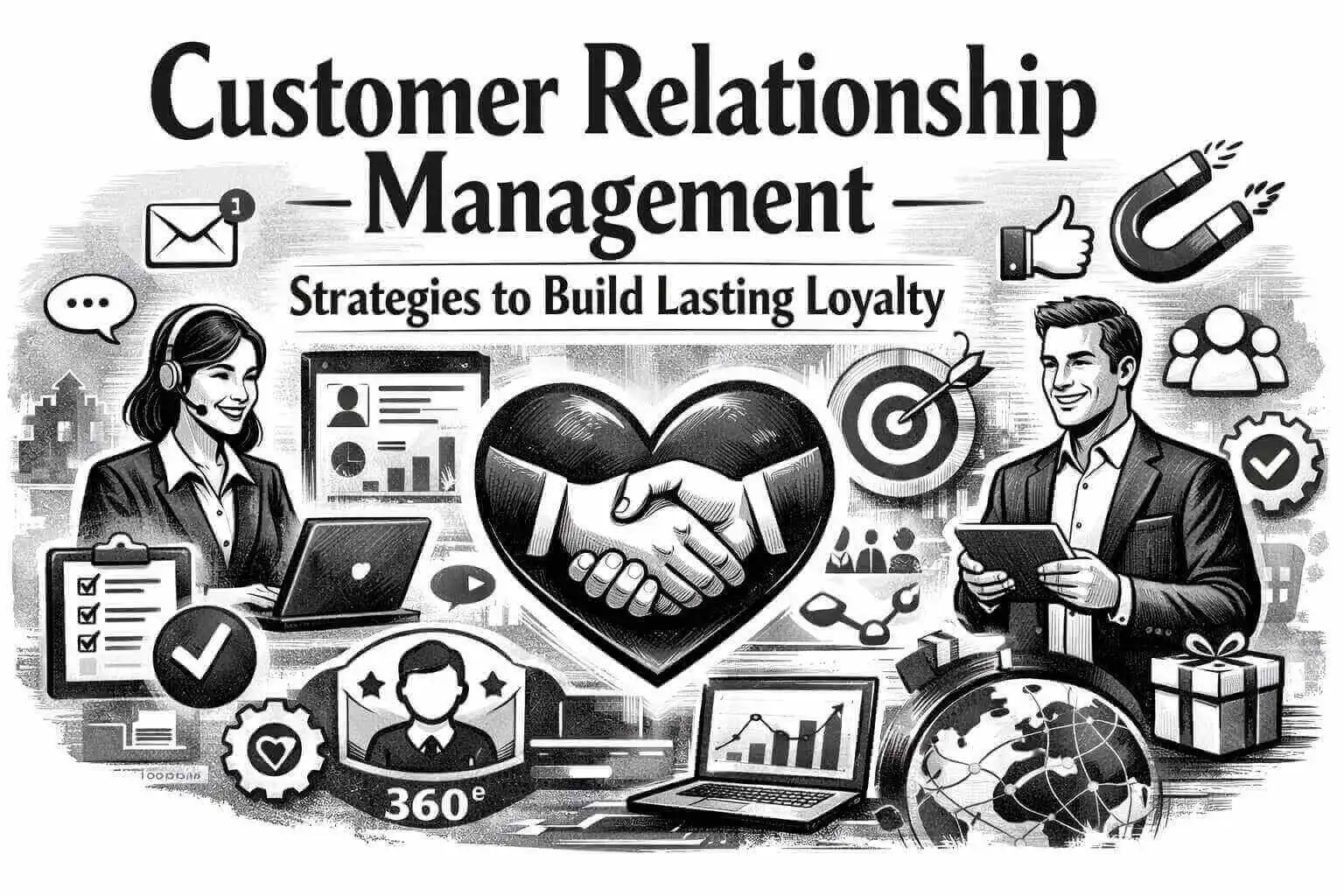
Customer loyalty isn’t something you can force. You can’t automate it. And you definitely can’t buy it with offers alone.
In real business situations, loyalty is built slowly—through repeated experiences that feel right to the customer.
Many businesses talk about relationships, but what they actually manage are transactions. Calls are made, deals are closed, invoices are sent—and then everyone moves on. That approach works in the short term, but it rarely creates customers who stay.
This is where Customer Relationship Management starts to matter.
But as a way to bring order to how relationships are handled.
According to recent research, companies using CRM tools see a 27% increase in customer retention—but this number only reflects organizations that implement CRM with a focus on relationships, not just transactions. That distinction matters.
If you’ve worked in sales or customer support, you already know this: details get forgotten, follow-ups are delayed, customers have to repeat the same issue, and sometimes no one even remembers the last conversation properly.
None of this happens because teams don’t care. It happens because humans are handling too much information at once.
A CRM acts as a shared memory. It keeps track of conversations, commitments, and customer history so teams don’t have to rely on guesswork. When people have clarity, customers feel it immediately.
Real-world example: At Groweon, we’ve seen SMBs struggle with this constantly. A healthcare provider might have three team members handling scheduling and customer follow-ups. Without a centralized system, Patient A’s preference for morning appointments gets lost. Patient B’s medication update is never logged. Patient C’s previous complaint about wait times is forgotten by the time they call back. Each interaction feels new—and frustrating—to the customer.
The moment teams implement a shared CRM system, this changes. Every interaction is recorded. Every commitment is visible. The customer feels recognized because someone actually remembers them.
There’s a big difference between a business that recognises a customer and one that doesn’t. When someone remembers what a customer asked last time—or why they were unhappy—the conversation changes completely.
CRM makes this possible without forcing fake personalisation. It doesn’t tell your team what to say; it gives them context. And context is what makes communication feel human.
Research shows that 75% of organizations using CRM have experienced significant improvements in customer satisfaction. But the difference between those organizations and the rest isn’t the software—it’s how they use the data. They use it to remember, not just to track.
When a customer returns after six months, your team should know:
That’s not surveillance. That’s respect. Customers don’t expect perfection. They expect effort.
Some businesses rely heavily on individual talent—one great salesperson, one amazing support agent. The problem is that consistency disappears the moment that person is unavailable.
Customer relationship managment helps eliminate that risk. Information is shared. Communication stays aligned. Customers don’t feel like they’re starting over every time they talk to someone new.
Consider a typical scenario: A small business owner calls their vendor to ask about implementation. They talk to Sarah, who’s knowledgeable and helpful. But Sarah leaves the company next month. When the owner calls back about a problem, they reach Marcus. Marcus has no context. The conversation resets. Trust weakens.
With a CRM system, Marcus immediately sees the full history. He knows what was promised, what was delivered, what the customer values. The conversation doesn’t restart—it continues. That consistency is what builds quiet trust.
Over time, this consistency builds quiet trust. Not excitement. Not hype. Just confidence. And confidence keeps customers around.
Late replies, missed follow-ups, or forgotten promises don’t always result in immediate complaints—but they slowly weaken relationships.
CRM doesn’t magically fix behaviour, but it makes gaps visible. It reminds teams what needs to be done and when. That simple discipline deeply impacts how customers experience your business.
Studies indicate that 47% of businesses report improved customer service efficiency after adopting CRM, largely because the system creates visibility around deadlines and commitments.
Being timely feels respectful—and customers notice that.
Every business says they value feedback, but very few actually use it well. Messages get lost, complaints are noted but not tracked, and patterns are ignored.
CRM helps organize feedback in a way that makes it actionable. When customers see improvements based on their input, something important happens—they feel involved.
A real example from Groweon’s customers: A SaaS company was losing customers due to slow onboarding. Feedback came in regularly, but it wasn’t tracked systematically. Once they implemented Groweon CRM and created a “Feedback” field linked to customer segments, the pattern became obvious. They prioritized onboarding improvements. Within two quarters, they saw measurable change. When they reached out to previous customers to highlight the improvements, some actually came back.
That’s the power of feedback loops backed by CRM systems.
And involved customers tend to stay.
There’s no shortcut here.
CRM doesn’t create loyalty on its own—it simply removes confusion, reduces mistakes, and helps teams act with clarity.
Research backs this: businesses using CRM with a focus on customer experience are 86% more likely to exceed their sales goals than those that don’t. But again, the CRM itself isn’t the differentiator—how teams use it is.
When people know what to do next, work becomes calmer, conversations improve, and relationships stop feeling rushed.
That’s how loyalty actually grows.
Not suddenly, but steadily.
Customer Relationship Management isn’t about controlling people or monitoring conversations—it’s about creating clarity in daily work.
When teams are clear, customers feel secure.
In real business life, steady improvement always beats big promises.
At Groweon, we’ve built our CRM specifically for this reason. We’ve watched Indian SMBs struggle with customer retention because they lacked systems to manage relationships at scale. Our AI-powered platform removes the manual chaos, so teams can focus on what actually matters: remembering customers and acting consistently.
Groweon CRM helps businesses manage customer relationships with clarity, not pressure—so loyalty builds naturally through consistent, meaningful interactions. Schedule a 15-minute free demo to see how Groweon can transform your customer relationships.
There’s no fixed timeline, but most businesses report noticing customer satisfaction improvements within 3-6 months of consistent CRM use. The key is consistency—loyalty isn’t built overnight, but with daily actions tracked and remembered. What matters is that every interaction moves the needle forward, and customers notice the difference over time.
No. A CRM is a tool that enables genuine care at scale. It removes the chaos so your team can focus on what matters: understanding customer needs and responding thoughtfully. Without care and attention, a CRM becomes just a database. With it, a CRM becomes the backbone of real relationships.
Not necessarily. Modern CRM platforms like Groweon are designed to be intuitive—most teams can start entering data and seeing value within days, not weeks. The real adoption curve comes from building CRM habits into daily workflows. That takes 2-3 weeks typically, but it’s a gradual process, not a painful training overhaul.
Absolutely. Many businesses find that implementing a CRM surfaces patterns in why customers left. If you had promised follow-ups that didn’t happen, or commitments that weren’t tracked, a CRM prevents that from recurring. More importantly, visibility into feedback loops (mentioned in the blog) often reveals opportunities to win back customers who felt forgotten.
Research shows that organizations using CRM see a 27% increase in customer retention. If you have 100 customers generating $10,000 annually each, a 27% retention improvement = $270,000 in additional revenue annually. Most CRM systems cost a fraction of that. But the real ROI comes from reduced churn, increased repeat business, and teams working more efficiently.
[wpforms id=”535″]

25 Sep, 2026
Summary (TL;DR): An AI CRM pays back $8.71 for every...

24 Sep, 2026
Summary (TL;DR): An agentic CRM is a system where AI...

23 Sep, 2026
Summary (TL;DR): The best CRM for car dealerships in India...

23 Sep, 2026
Summary (TL;DR): The best CRM for B2B sales teams in...

23 Sep, 2026
Summary (TL;DR): The best WhatsApp CRM in India combines the...