

Best Mobile CRM Apps for Sales Teams in India (2026…
09 Oct, 2026
Summary (TL;DR): The best mobile CRM apps in India combine...
Updated: 6th October, 2026
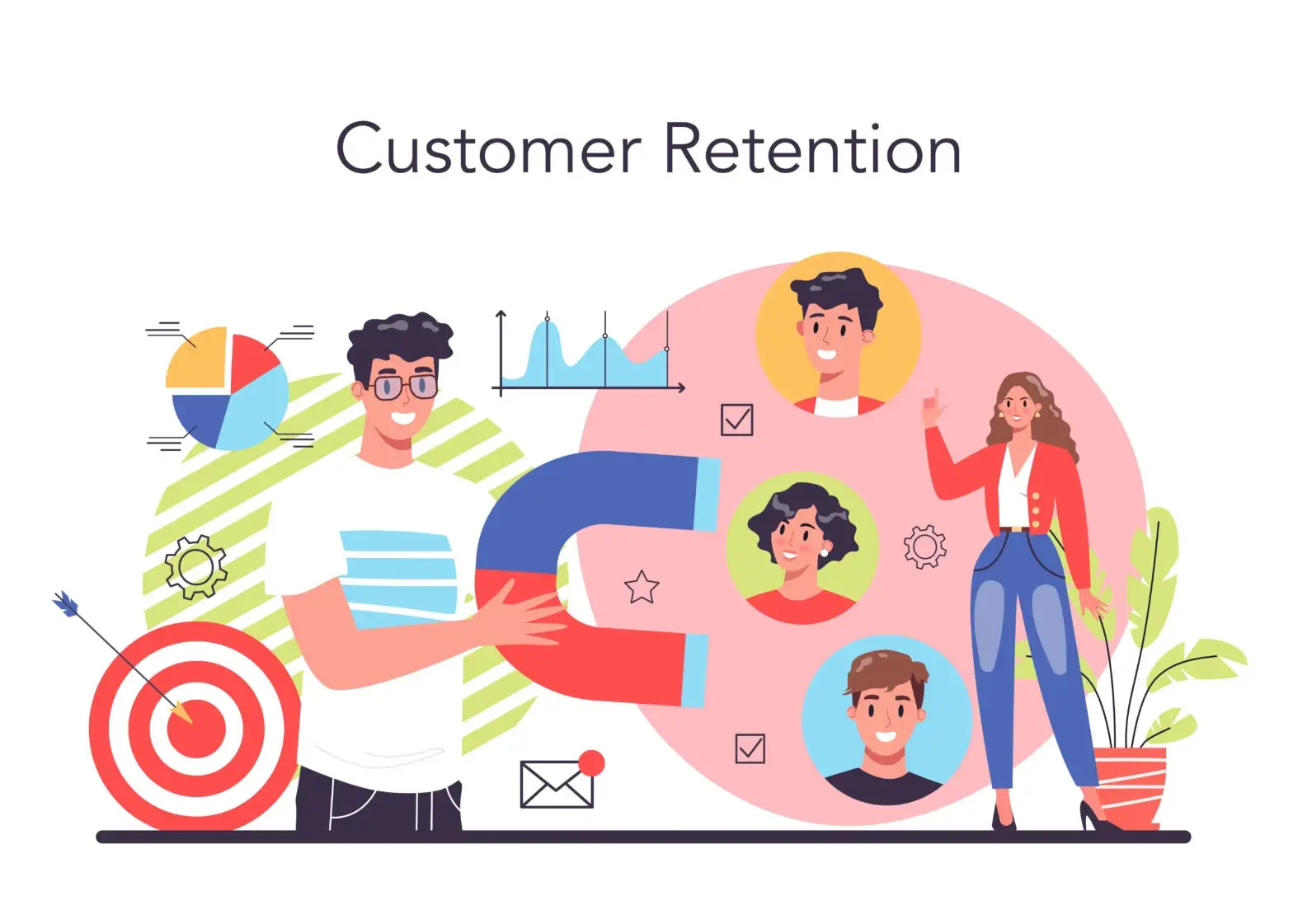
A company’s development is a sum of two components — bringing in new customers and retaining the existing ones. While marketing and sales campaigns come into the picture, and in isolation, they are not effective in the long run. Today’s businesses need a system that not only attracts customers but also develops long-term relationships. That is exactly the task that Customer Relationship Management (CRM) performs.
CRM isn’t just a piece of software. It’s a complete strategy that helps businesses more easily know, control, and construct customer relationships. By aligning customer info, sales process, and service campaigns, CRM Software creates opportunities for winning new customers while sustaining current customers. It’s high time we talked specifics about how CRM improves campaigns for acquisitions and retention.
One of the strongest features of CRM Software is its ability to bring all customer information together in a single system. Instead of scattered data across spreadsheets, emails, and different tools, CRM provides a unified view of every customer.
This includes details such as:
Contact information
When teams have easy access to complete and updated data, they can build stronger acquisition campaigns and deliver better customer experiences. A 360-degree view of customers ensures every interaction is meaningful and relevant.
It’s not bringing in customers that counts, it’s bringing in the correct customers. You can divide customers by behaviour, demographic, or buying pattern through CRM.
This personalised marketing enhances the chance of reaching prospective customers while tightening the bond with current customers. By marketing straight to the customer’s need, firms steer clear of nonproductive endeavours and attain the best results.
Acquisition’s lifeline is leads. Alas, most companies fail in accurately managing leads and therefore end up losing out. This problem is resolved by the CRM System by streamlining the lead handling process.
This procedure raises the rate of conversions and helps companies scale their acquisition campaigns without sacrificing efficiencies.
A sluggish or chaotic sales cycle can discourage prospects and cap success in acquisitions. CRM Software gives sales forces the tools for remaining efficient and well-ordered.
This systematised procedure not only allows the deals to be closed early, but it also creates customer confidence from the very start. Customers like those companies that are formal and reliable in communication.
Today’s customers expect personalization. They want businesses to understand their preferences, interests, and past purchases. CRM System makes this possible by storing detailed customer history.
For instance:
A customer who bought a product earlier can receive recommendations for complementary products.
Loyal customers can be rewarded with exclusive offers.
Communication can be tailored to each customer’s behavior.
Such personalisation improves customer satisfaction, encourages repeat purchases, and builds long-term loyalty. It transforms one-time buyers into lifelong advocates.
Retention heavily relies on customer service. Service is one of the significant reasons customers switch from one competitor to another. This is addressed by CRM Software by enabling a company to provide support proactively and efficiently.
If customers are served early and well, their brand confidence is enhanced, and there is higher retention and positive word-of-mouth communications.
CRM Software isn’t data warehousing — it’s more intelligent decisions by way of data. Sophisticated reporting and analysis help firms monitor essential metrics such as:
By identifying trends and patterns, further refinement of the method by companies is possible. If there is high churn, for example, companies can introduce loyalty programs or develop customer service design. A data-driven approach yields continuous improvement at the acquire and retain level.
CRM system is supported further by marketing automation solutions. They reinforce one another and become a very effective customer engagement system at every stage.
This alignment has marketing and sales teams complement each other, boosting efficiency overall and yielding higher returns.
In this highly competitive world, winning new customers matters — but retaining them matters more. CRM Software tackles both ends of the equation by bringing customer data into one place, facilitating more intelligent segmentation, improving lead and sales management, facilitating personalisation, boosting service, and informing decisions through data.
By performing a stellar CRM strategy, businesses don’t just win customers — they build long-term relationships. Those relationships give rise to loyalty, advocacy, and long-term profitability. In a nutshell, CRM isn’t a tool — it’s the key to long-term customer success.

09 Oct, 2026
Summary (TL;DR): The best mobile CRM apps in India combine...

09 Oct, 2026
Summary (TL;DR): Groweon Mobile CRM vs Groweon Lite comes down...

09 Oct, 2026
Summary (TL;DR) A barcode system turns every scan into an...

08 Oct, 2026
Summary The lead management software vs CRM choice comes down...

08 Oct, 2026
Summary (TL;DR) A CRM with Meta Ads integration should do...